Refind Inc.
The Next Step in Prosthetic Design: Redefining Life Through Bionic Hands
2026년 9월 2일
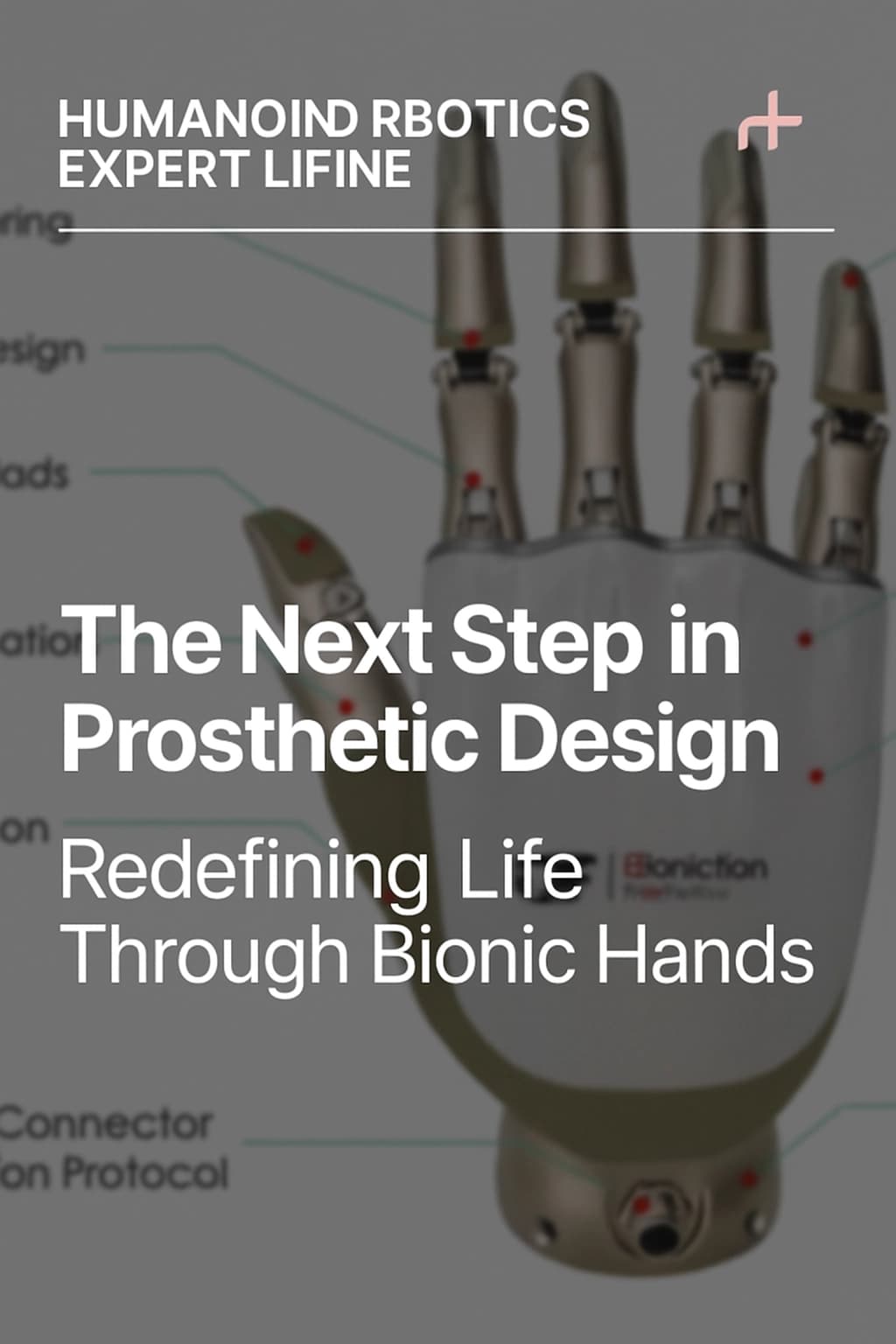
Prosthetic technology has evolved far beyond simple assistive tools — it now represents a transformative force that redefines human capability and independence.
The bionic hand, armed with advanced electronics and intelligent systems, offers levels of functionality and convenience once thought impossible.
In this article, we’ll explore the latest trends in prosthetic design and uncover how bionic hands are empowering users to design a new kind of life.
⚙️ The Technological Evolution of Bionic Prosthetics
The journey of prosthetic design began centuries ago with basic wooden and metal limbs.
But in the 21st century, the integration of electronic engineering has propelled prosthetic design into a new era.
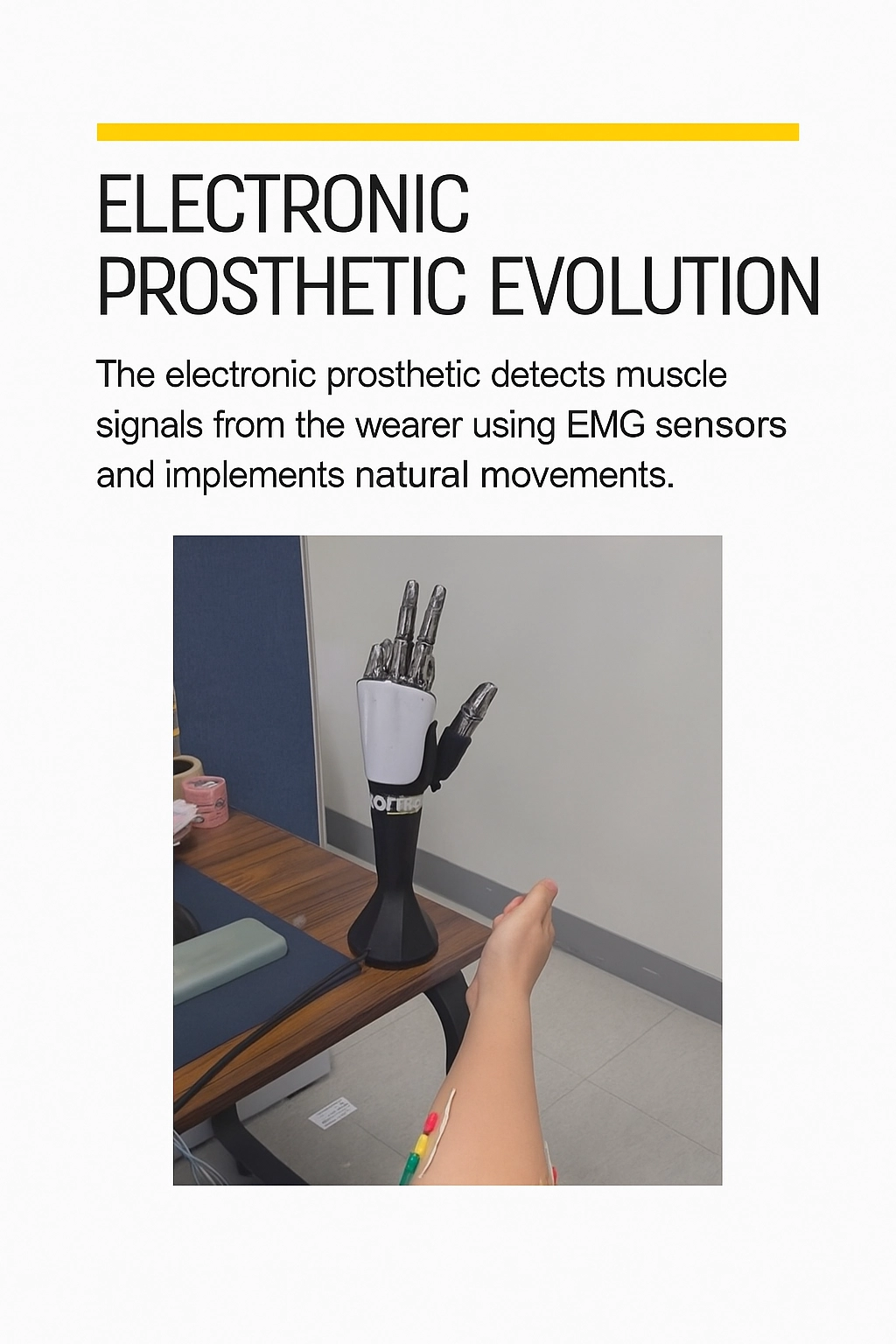
Modern bionic hands detect muscle signals (EMG) through sensors and microprocessors, translating them into smooth, natural movements.
As of 2025, researchers at MIT’s Biomechatronics Lab have reported a 95% precision rate in bionic hand control — far surpassing traditional mechanical prosthetics.
At the heart of this innovation lies a real-time feedback system.
For instance, when a user intends to flex a finger, the sensors detect this intention and the motors respond within 0.1 seconds, according to a recent Bosch report.
This responsiveness allows users to grasp, manipulate, and interact with objects intuitively — transforming prosthetics from a compensatory tool into an extension of human ability.
🤖 Bionic Hands: Opening New Paths to Everyday Living
Bionic prosthetics are not only restoring function — they are transforming lives.
Many users report being able to return to normal daily activities for the first time since injury or amputation.
Some even pursue creative or professional goals once thought out of reach.
These examples demonstrate that bionic hands enable more than recovery — they enable rediscovery.
As the technology evolves, users can challenge their limitations and envision entirely new futures.
🧩 Personalization and Community in Prosthetic Design
The next frontier of prosthetic design is personalization.
By 2025, the fusion of 3D printing and AI-driven design algorithms allows engineers to craft prosthetics tailored precisely to each user’s anatomy and lifestyle.
This approach not only enhances comfort and control but also enables personal aesthetic choices — blending technology with identity.
At the same time, a strong user community has formed around bionic technology.
Online forums and social media groups provide platforms for users to share experiences and offer feedback to manufacturers.
This collaborative ecosystem drives rapid product improvement, with global user communities now exceeding 500,000 active members as of 2025.
🔮 Challenges and Future Outlook
Looking ahead, bionic prosthetics are expected to become even more sophisticated.
By 2030, advancements in AI and neural signal interpretation may allow prosthetic hands to respond directly to brain activity, blurring the line between biology and technology.
This would mark a shift from traditional prosthetic engineering to bio-integrated innovation, where machines and the human body operate as one.
If user-centered innovation continues at its current pace, bionic hands will not only enhance quality of life — they will expand the definition of human potential.
🦾 Conclusion
The evolution of prosthetic design has reached a new phase — one where technology empowers humanity.
Through bionic hands, individuals are not just regaining lost abilities; they’re redesigning their lives with purpose and precision.
As AI, robotics, and biotechnology continue to converge, the boundary between assistance and augmentation will fade — and the future of human capability will be reimagined.